
Beliefs and Perception
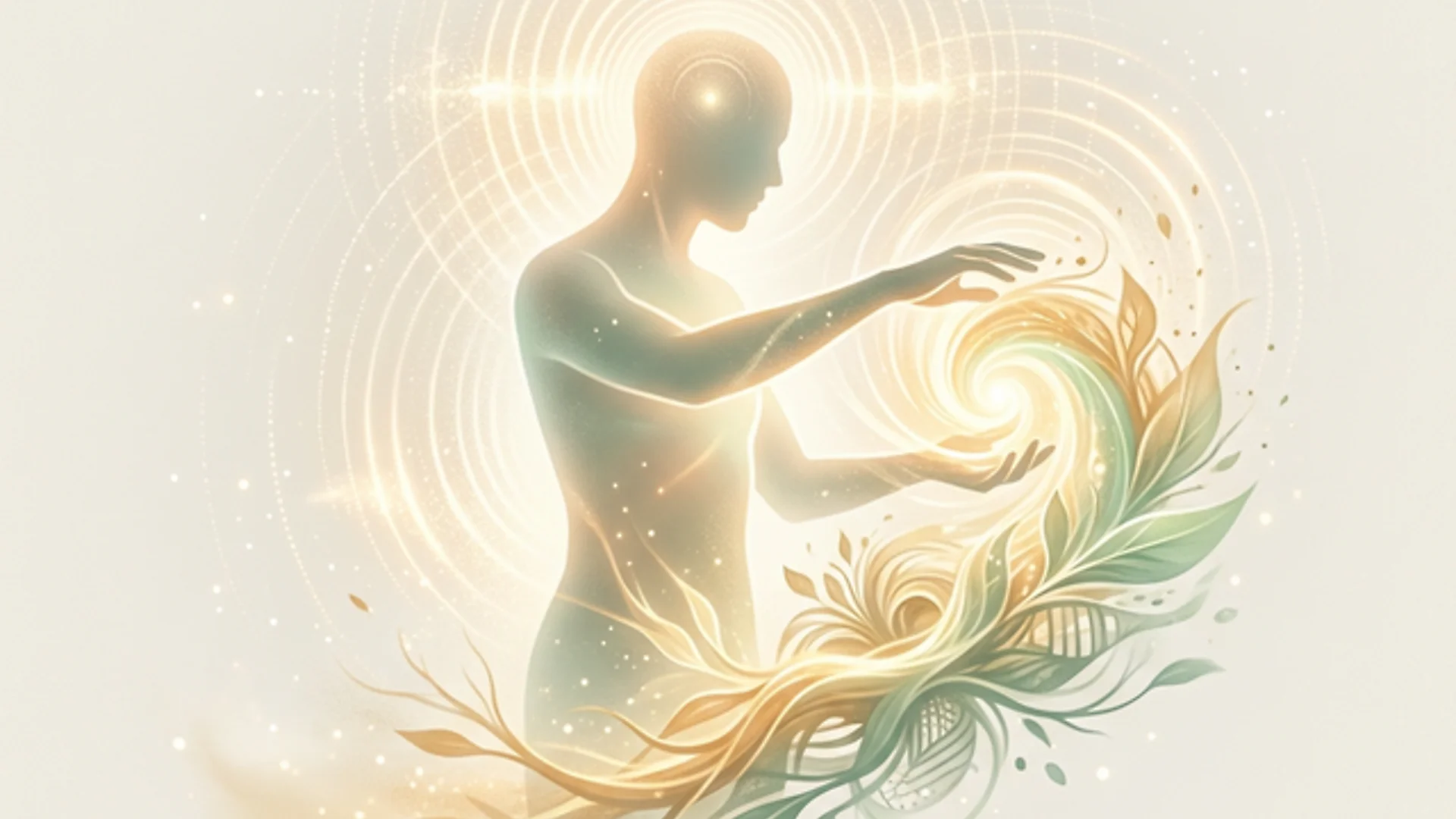
Beliefs function as filters that select which experiences consciousness manifests. Changing fundamental beliefs alters how we perceive reality. Emotions act as amplifiers, reinforcing reality patterns that correspond to predominant beliefs.
Emotions amplify the reality patterns established by your root beliefs.
The Leap Between Timelines
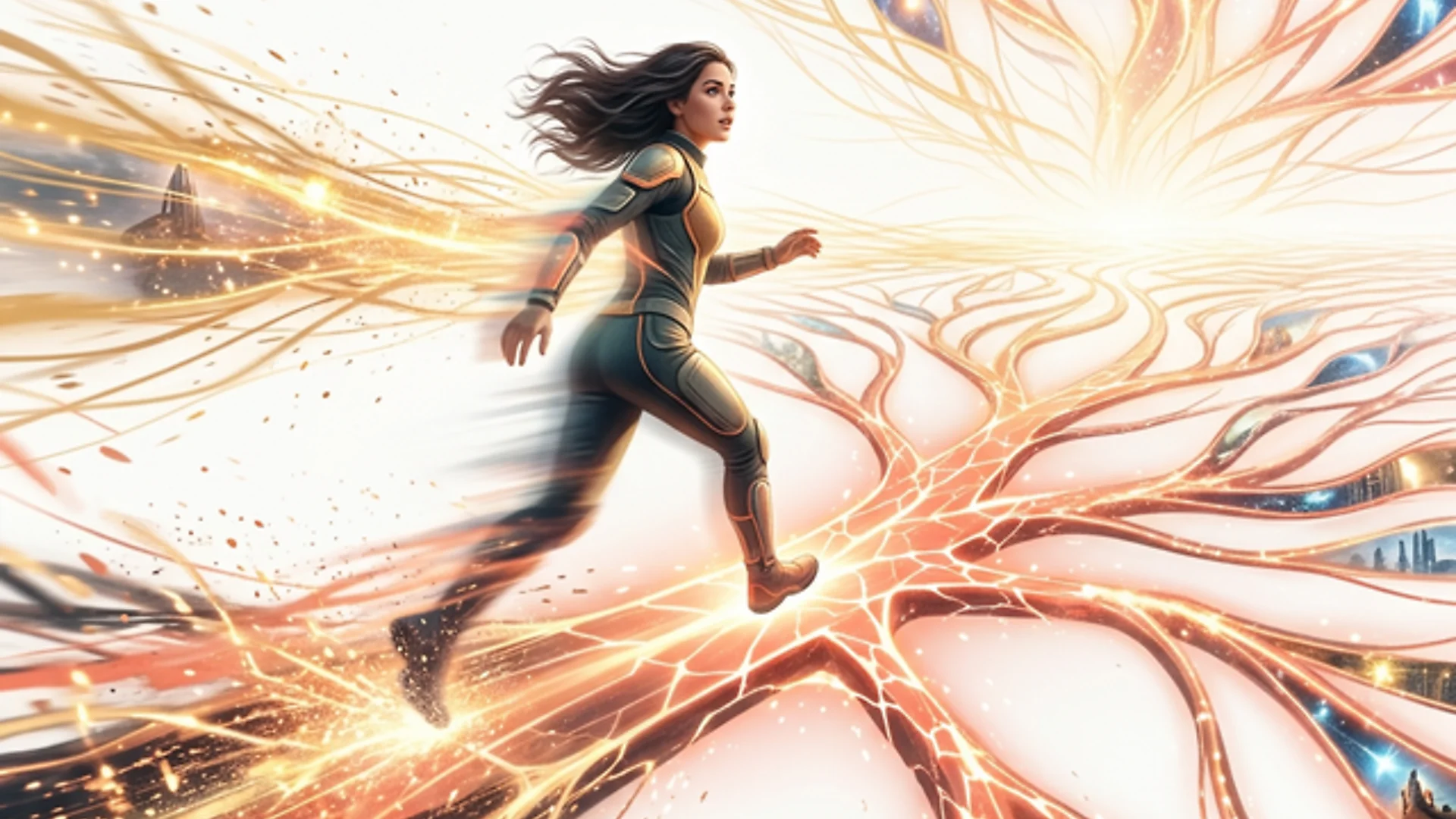
Consciousness can move between reality lines that are very similar or radically different. Each choice creates a new possibility that can become the experienced reality line. Sudden changes in life often reflect leaps between these reality lines, known as "timeline shifting."
Parallel Realities
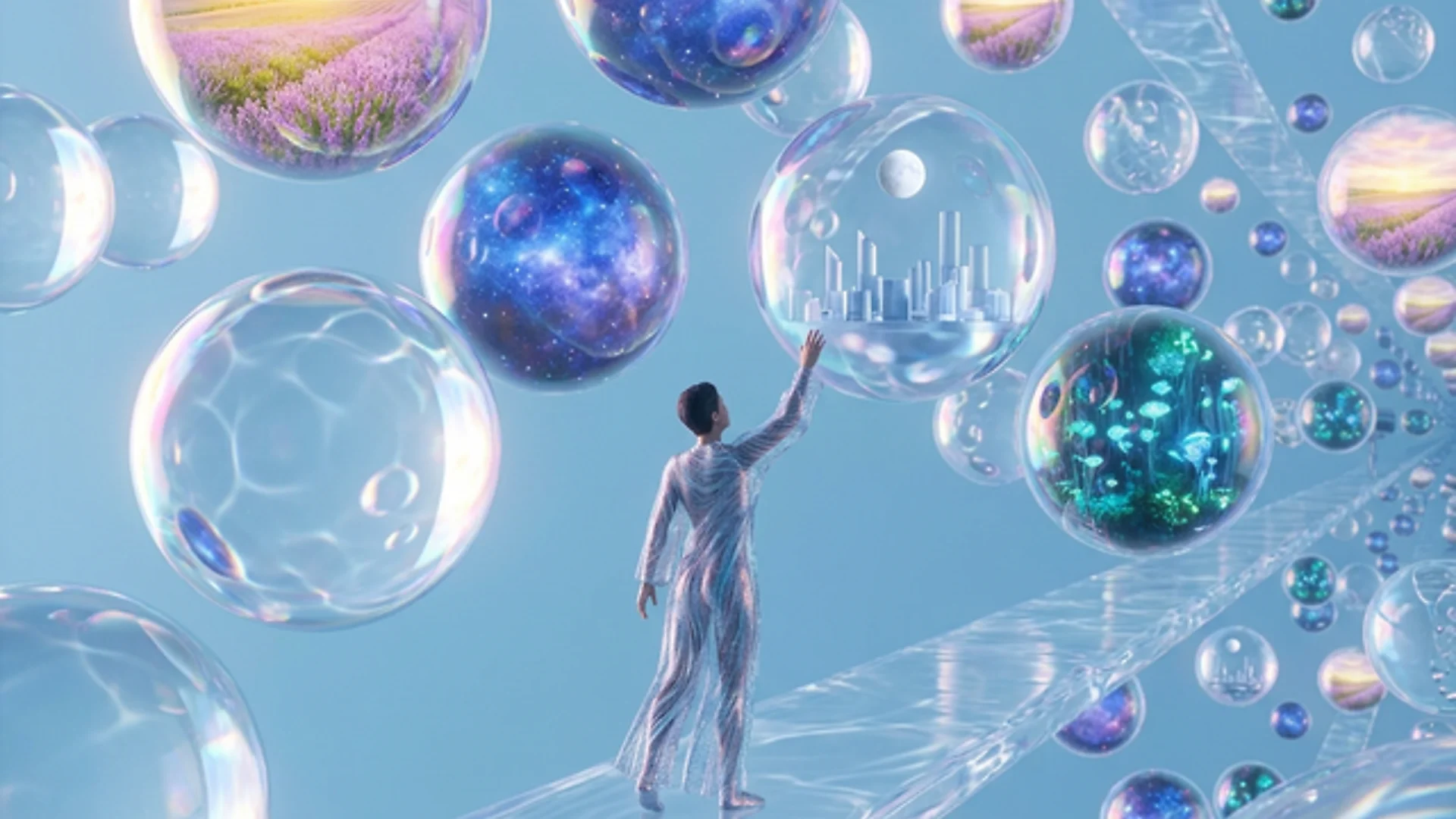
All possible realities exist simultaneously. Consciousness chooses which line to experience. Similar events may occur in parallel universes, and subtle changes can lead to completely different outcomes over time.
The Illusion of Time
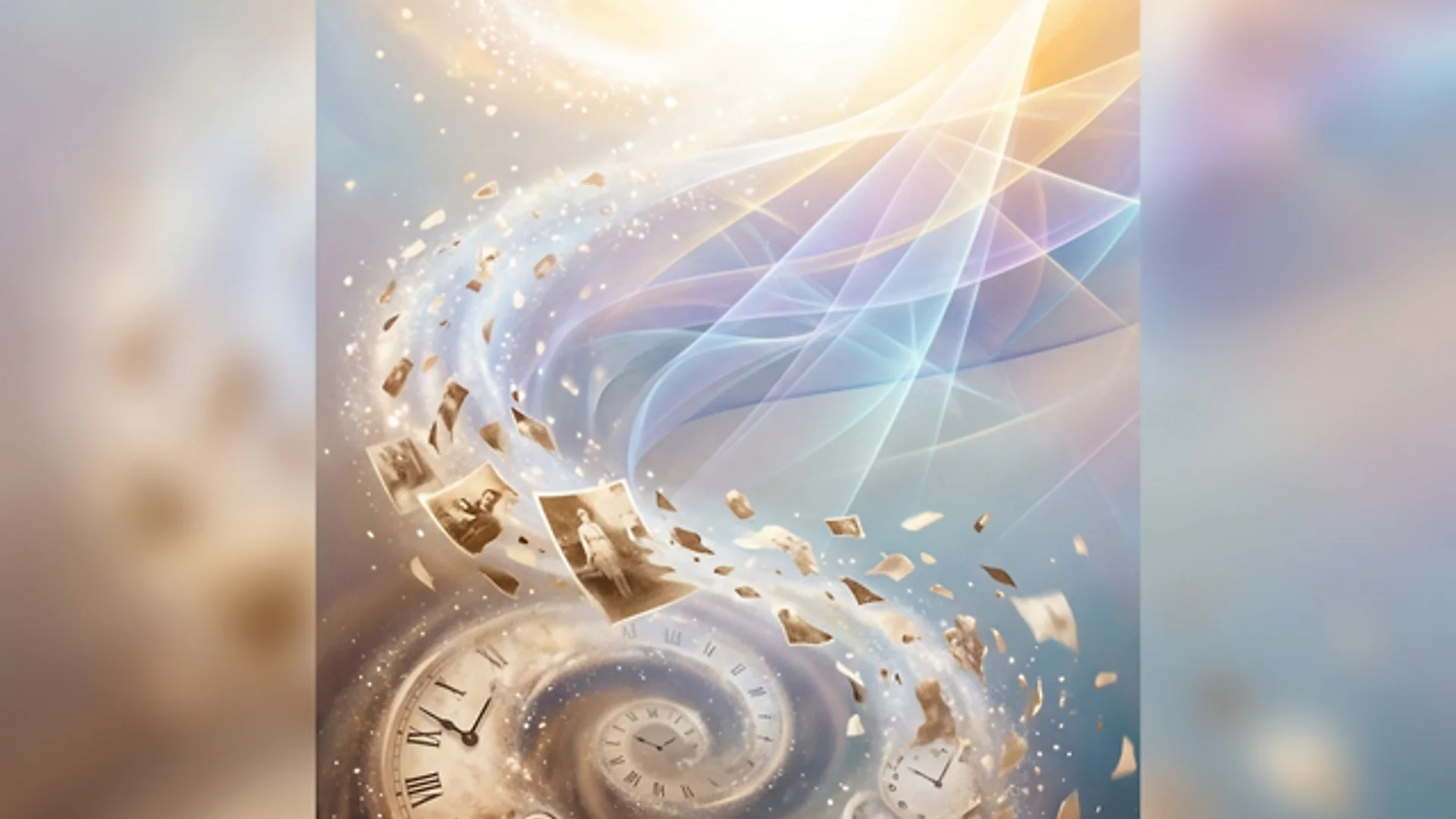
The past is memory, the future is potential, and the present is the only real point of experience. Each moment is the creation of a new "frame" of reality, recreated by consciousness. The perception of continuity is generated by memory and the speed of the sequence of moments.
Outside physical reality, past, present, and future would exist at the same time. This approaches the concept of Block Universe in theoretical physics, where all time exists simultaneously in space-time.
Frame-by-Frame Generation
The physical universe is recreated billions of times per second. Between each recreation exists an extremely small interval of non-reality. The physical mind does not perceive this because the recreation happens extremely fast, and memory creates the sensation of continuity.
The Cinema Analogy:
A film appears as continuous motion, but in reality it is composed of thousands of static frames. When they pass quickly, the brain creates the illusion of movement. Reality would be similar:
Frame 1 → Frame 2 → Frame 3 → Frame 4 → Frame 5
Each "frame" is a complete universe. Between frames, everything disappears and is recreated anew.
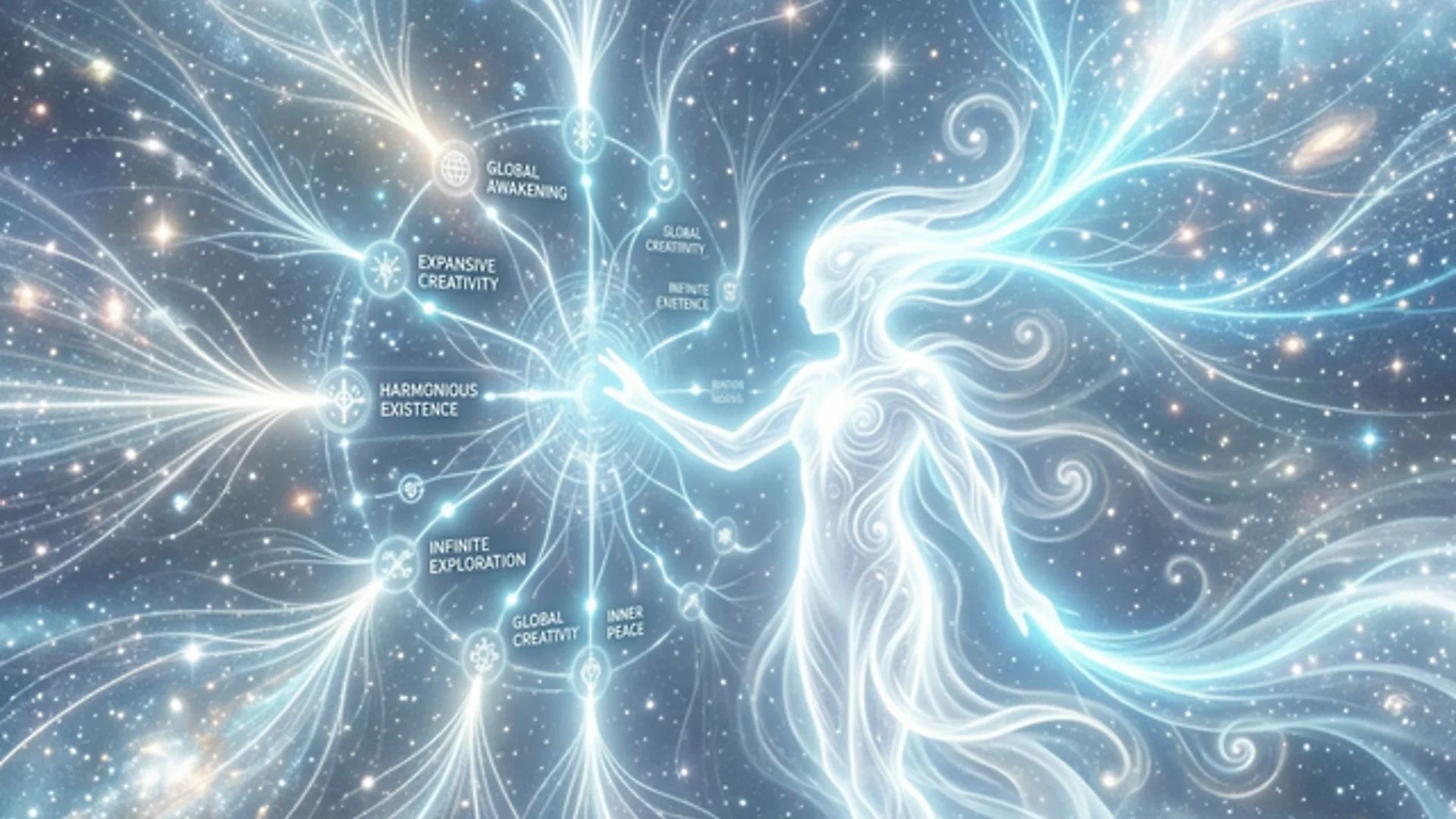
The Role of Consciousness:
What determines which frame comes next would be:
- Beliefs
- Emotional state
- Expectations
- Identity definitions
Consciousness chooses which version of reality to experience next. We can describe this as "changing timelines."
Why We Don't Perceive the Change:
Two things create the illusion of continuity: Memory and Collective agreement on how reality should behave. Therefore reality appears stable. But in truth, we are constantly shifting to nearly identical versions of the universe.
The Most Interesting Consequence:
If reality is recreated at every instant, then we are not bound to the past. The past would be merely a memory in the present not something that still exists.
"You are literally a different person every moment."
The Body Does Not Move:
There is still a fascinating point: the physical body does not move through space. In fact, the body remains "in the same point" and it is the reality around it that changes frame by frame. Instead of moving through space, you would shift universes billions of times per second.
Scientific Connection: Curiously, some scientific ideas touch on something similar: Planck Time (the smallest theoretical time interval in physics) and Quantum Mechanics (where systems can change state discretely). But science does not claim that the universe disappears and reappears this remains a metaphysical interpretation.
"You are literally a different person every moment."